Ready to sell in Wappingers Falls but not sure where to start? You want strong offers, a smooth timeline, and clear guidance at every step. In this guide, you will learn our proven, step-by-step listing strategy designed for Dutchess County sellers like you. It covers preparation, pricing, marketing, negotiation, and closing so you can move with confidence. Let’s dive in.
Why Wappingers Falls needs a tailored plan
Wappingers Falls offers a wide range of homes, from historic mill-era properties near the village to mid-century and newer suburban homes, plus smaller multifamily options. Each property type attracts different buyers, which means the way you prepare, stage, and market your home should match its likely audience.
Commuters to Poughkeepsie and New York City, local workers, and families looking for nearby schools are common buyer groups here. Lifestyle buyers also appreciate the riverfront, village amenities, and parks. You get better results when you highlight commute options, walkability, and proximity to local amenities in clear, accurate language.
Buyer activity usually peaks in spring and early summer, then slows in late fall and winter. That seasonality matters for launch timing and marketing intensity. We watch real-time MLS activity and adjust your strategy to the current market, not last year’s trends.
Step 1: Pre-listing prep that pays off
A focused prep plan helps you win attention in the first two weeks on market. We keep your timeline and budget in mind.
Pre-listing inspection and repairs
A professional pre-listing inspection can surface issues early, such as roof wear, HVAC age, septic or sewer concerns, moisture or structural items. When you know the facts, you can choose smart repairs, credits, or a pricing adjustment that keeps your sale on track. For significant items, get written bids so you can compare cost against expected return.
Clean, declutter, and stage
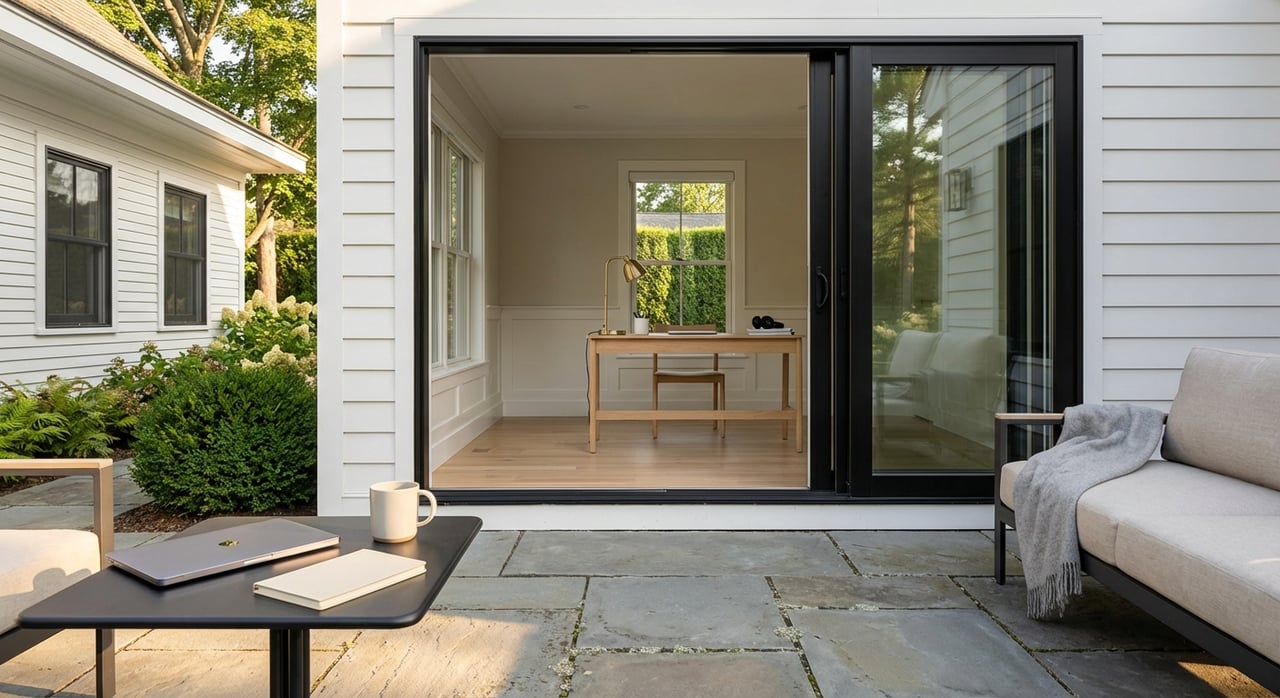
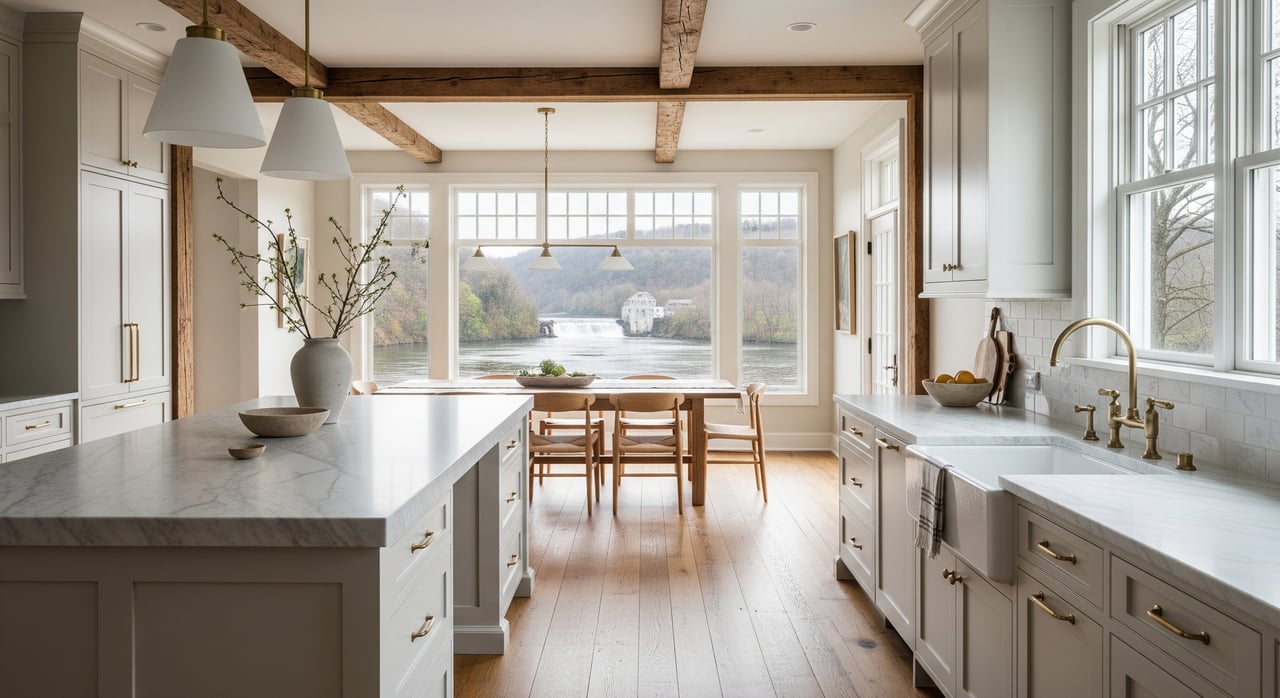
Aim for neutral, uncluttered spaces that feel bright and welcoming. For older Wappingers Falls homes, highlight historic features while removing overly personalized decor. Staging, whether professional or guided DIY, can improve buyer perception and often reduces time on market. Curb appeal matters, especially in village settings where buyers drive by before scheduling a showing.
Photography, floor plans, and tours
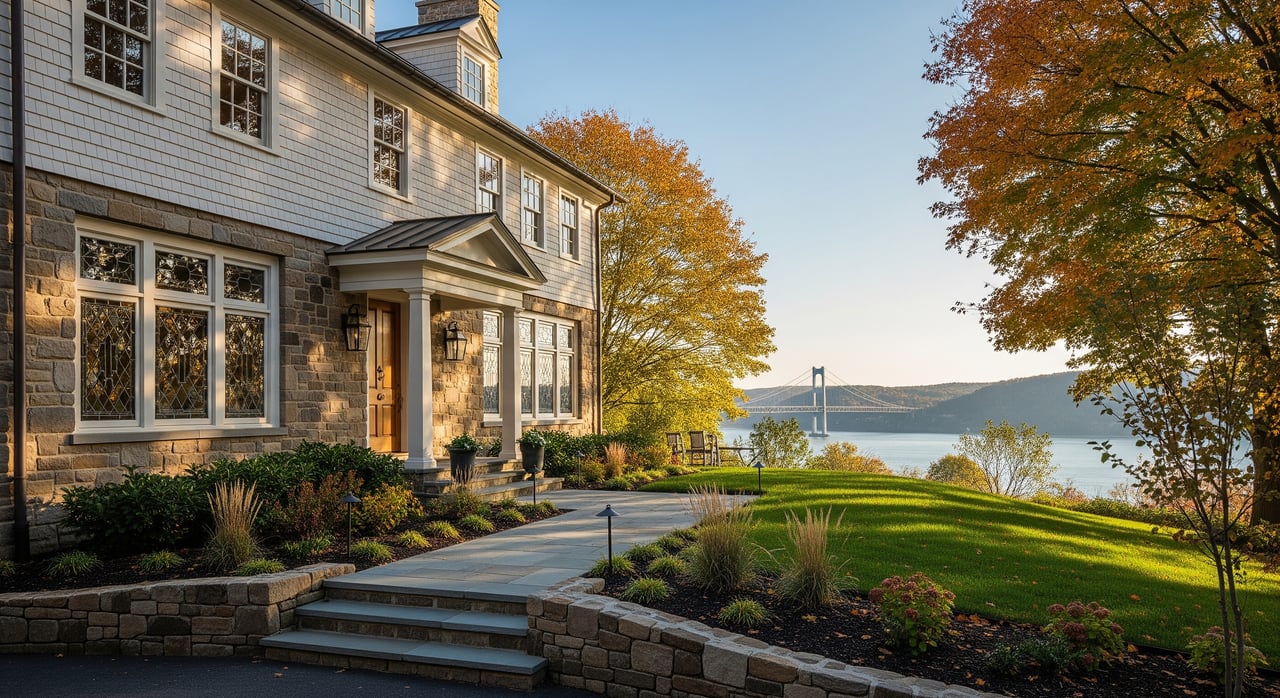
High-quality visuals set the tone. We recommend professional photography with wide-angle interiors, clear exteriors, and, when appropriate, a twilight front image. Include accurate floor plans and a 3D or video walkthrough to help buyers pre-qualify themselves. For riverfront or large lots, drone imagery can showcase setting and views. Drone operators should follow FAA rules and be certified for commercial work.
Gather documents upfront
Collect the paperwork buyers will ask for. You will want:
- Recent utility and tax bills
- Warranties and appliance manuals
- Surveys if available
- Septic or municipal sewer documents
- Certificates of occupancy
- Any HOA information
- A list of recent upgrades with dates and contractors
Clear documentation builds trust and can simplify inspections, appraisals, and underwriting.
Step 2: Pricing with precision
The right price is the core of a successful listing. We start with a local, apples-to-apples Comparative Market Analysis.
Data-driven CMA
We analyze recent sales from the last 3 to 6 months that match your home’s size, age, condition, lot, and location. We also study active, pending, and expired listings to understand your real competition and pricing sensitivity. The goal is a list price that supports your timeline and positions your home to attract real buyers.
Pricing approaches
- Market-value pricing: Set based on the CMA and your desired exposure window.
- Strategic positioning: In faster markets, a slight underprice can spur competition. In cooler markets, conservative pricing reduces the risk of long days on market.
- Price bands: Align with common search ranges. Round numbers can influence how often your home appears in buyer filters.
If a “coming soon” period makes sense for your property, we will follow MLS rules and local regulations to build anticipation while staying compliant.
Metrics we watch
In the first weeks, we monitor:
- Days on market
- List-to-sale price ratio trends
- Showings and showings per week
- Online engagement such as views, saves, and inquiries
If activity is below target after a defined review period, we discuss a price or marketing adjustment.
Step 3: Marketing that reaches real buyers
Your home deserves broad, targeted exposure. We combine MLS-driven distribution with modern digital tactics and storytelling that fits Wappingers Falls.
Core distribution
Your listing is published to the MLS and distributed to major home search portals and broker websites. We also use agent-to-agent outreach, local brokerage rooms, email campaigns, and yard signage. In the village area, directional signs help capture local interest.
Digital targeting and outreach
We build targeted campaigns on social platforms to reach likely buyer segments such as commuters, families searching within Dutchess County, and lifestyle buyers who value historic charm or river access. Paid search for high-intent local queries can supplement organic exposure when timing is critical. We measure cost per lead and quality of inquiries so you stay focused on the best opportunities.
All marketing follows Fair Housing guidance. We never target or exclude protected classes. Our focus is on property features, location facts, and lifestyle benefits.
Storytelling and visuals
We create a narrative that aligns with your property type and location. For example:
- Historic or mill-era homes: Authentic features, walkability to village amenities, and thoughtful updates
- Suburban single-family homes: Functional layouts, outdoor spaces, and access to parks and commute routes
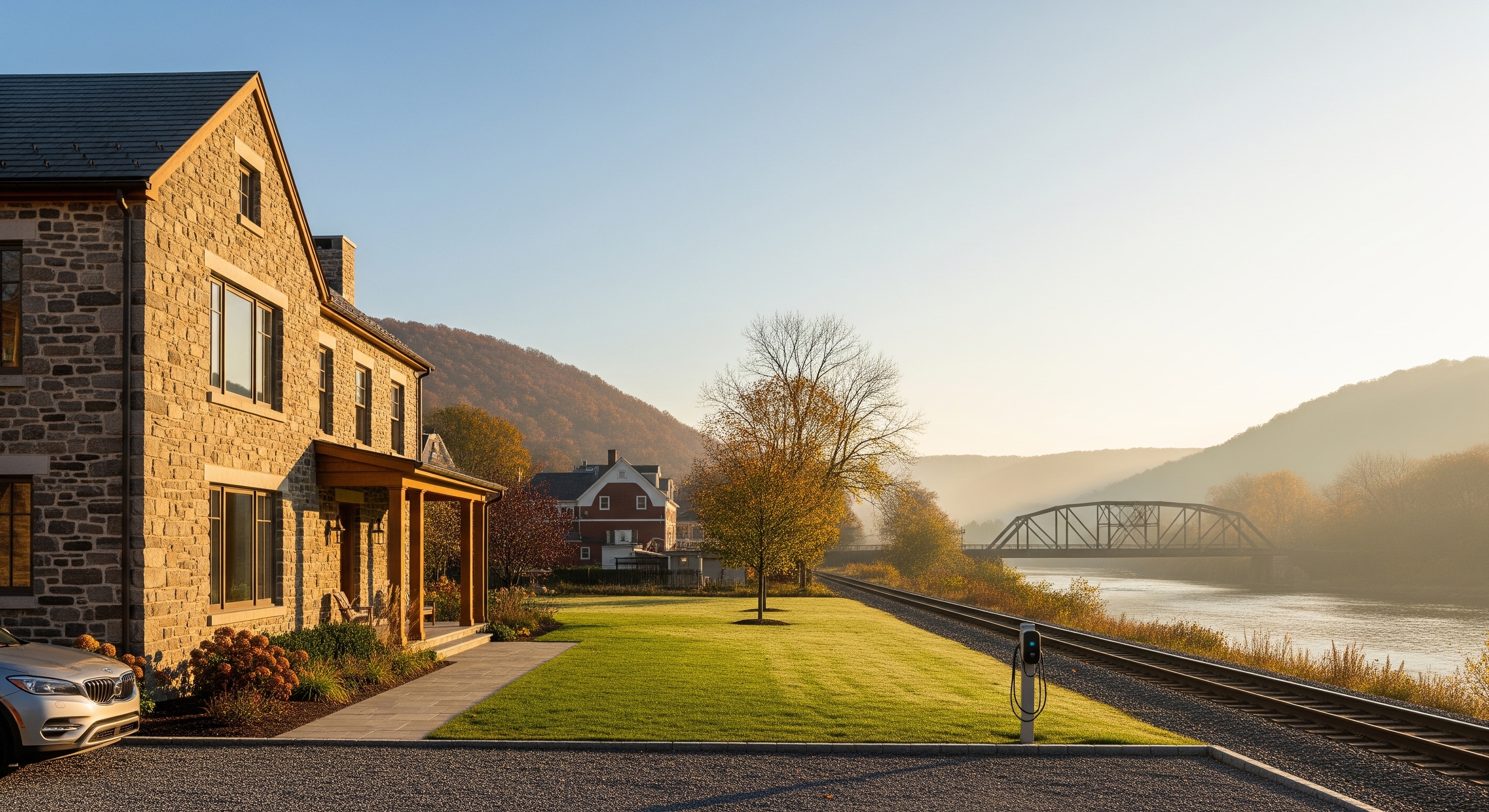
- River-adjacent properties: Setting, views, and accurate floodplain and utility information
Clear captions, floor plans, and room measurements help reduce unqualified showings.
Open houses and showings
We schedule public and broker open houses during peak times and may require pre-registration for efficiency and safety. For out-of-area buyers, we offer flexible private showings and live virtual tours that showcase key features and neighborhood context.
Niche local tactics
Community boards and local print can reach nearby residents who know prospective buyers. For unique homes, local history angles resonate in area newsletters or social content. When warranted, we partner with local groups to highlight distinctive attributes in a respectful, accurate way.
Step 4: Launch timeline and weekly check-ins
A structured launch keeps momentum high and decisions clear.
- Pre-listing prep (repairs, staging, photography): 1 to 3 weeks
- MLS activation and full marketing launch: Day 0
- Early feedback and first review: Days 7 to 14
- Price or marketing adjustment if needed: Weeks 2 to 3
- Contract to closing: Typically 30 to 60 days depending on financing and contingencies
We provide weekly updates that include showings, online engagement, feedback themes, and recommendations. You always know where you stand and what comes next.
Step 5: Showings, feedback, and smart adjustments
If showings lag in the first two weeks, we recheck the price, photos, and copy, then consider a price adjustment or additional targeted ads. If showings are strong but offers are not coming, the barrier is often condition or perceived value. We will address buyer objections with better positioning, a limited repair, or a credit that improves the value equation.
We work within a defined review timeline so you are never guessing. The goal is steady, data-backed progress toward the right offer.
Step 6: Offers, negotiation, and risk management
Preparation is your advantage once offers arrive. We set priorities early so your decisions are clear.
Clarify your goals
Before launch, we establish your ideal price, closing timeline, occupancy needs, and how you want to handle inspections. If we anticipate multiple offers, we may set an offer deadline for a fair, competitive process while following MLS and brokerage rules.
Look beyond the price
We evaluate net proceeds after typical closing costs. We consider buyer financing type, strength of pre-approval, contingencies, and timing. Conventional and cash offers can carry less risk than financing with complex conditions, yet every file is unique. We assess appraisal risk and loan-to-value to protect your position.
Counters, inspections, and appraisal
We use market data and inspection findings to support counteroffers. For inspection items, we can negotiate targeted repairs, a credit at closing, or a price reduction. If an appraisal comes in low, we prepare comparable sales and documentation of improvements to support value. In tighter markets, we may discuss appraisal gap strategies with buyers to reduce uncertainty.
Managing multiple offers
We maintain fairness through clear communication and consistent handling of terms. When appropriate, we request best and final offers and document the process in line with brokerage policy.
Step 7: Disclosures, title, and closing
Transparent disclosure reduces risk and keeps closing on track.
- Lead-based paint: For most homes built before 1978, you will provide the federal lead-based paint disclosure and required pamphlet.
- New York and local practices: Expect to complete state-required disclosures or provide seller-known defects as guided by your attorney or brokerage compliance team. We will coordinate with your legal contacts and keep documentation organized.
- Title and closing costs: A title company or attorney will handle title search and insurance. Typical seller costs include commission, prorated taxes, municipal lien payoffs if any, and transfer or recording fees. Exact amounts vary by municipality.
- Inspections and appraisal: Buyers usually inspect shortly after contract acceptance. We prepare for appraisal with comparables and improvements to support value.
For river-adjacent homes, we verify floodplain status and note municipal utility details. Accuracy here helps buyers and appraisers align on value and risk.
How we work with you
You get local expertise, hands-on coordination, and modern marketing from a high-activity team. Our MLS-driven process, Luxury Presence website, and targeted digital outreach deliver broad exposure. Our transaction coordination keeps the details tight from photography to closing. You also benefit from our local referral network for inspectors, attorneys, contractors, and more.
Most of all, you get clear communication and steady guidance. We track the numbers, explain your options, and negotiate to your goals so you can move forward with confidence.
Ready to sell in Wappingers Falls with a proven plan and a local team behind you? Reach out to the Carol Mahoney Team Inc to get started. Work with us and start with a free home valuation.
FAQs
How long does it take to list and sell in Wappingers Falls?
- Many sellers spend 1 to 3 weeks on repairs, staging, and photography, then go live. Once under contract, closing typically takes 30 to 60 days depending on financing and contingencies.
What should I fix before listing my Dutchess County home?
- Focus on items found in a pre-listing inspection, such as roof, HVAC, septic or sewer, moisture issues, and safety items. Tackle high-impact repairs and get bids for larger projects to decide on repairs or credits.
How do you set the list price for a Wappingers Falls property?
- We run a detailed CMA using recent local sales that match your home’s size, age, condition, lot, and location. We also study active and expired listings, then position your price within local search bands for maximum exposure.
Do I need a pre-listing inspection in New York?
- It is not required but it is often a smart move. Early findings allow you to repair, credit, or adjust price with fewer surprises, which can speed up negotiations and reduce fall-through risk.
What documents should I gather before listing in Dutchess County?
- Have recent utility and tax bills, warranties, appliance manuals, surveys if available, septic or municipal sewer documents, certificates of occupancy, HOA documents if applicable, and a list of recent upgrades.
How do you market historic or riverfront homes in Wappingers Falls?
- We highlight authentic features and location benefits with high-quality photography, floor plans, and tours. For river-adjacent homes, we confirm floodplain and utility details so buyers and appraisers have accurate information.
What happens if the appraisal comes in low?
- We present comparable sales and documented improvements to support value, then negotiate options that can include price adjustments, credits, or buyer coverage for gaps depending on the strength of the offer and market conditions.