If you want the strongest possible sale in Fishkill, two things matter right away: your price and your preparation. It can be hard to know where to start, especially when one part of Fishkill can behave very differently from another. This guide will help you understand how to price your home with local context, what to fix before listing, and how to prepare for a smoother sale. Let’s dive in.
Why Fishkill pricing is hyper-local
Fishkill is not one single market. In March 2026, Realtor.com reported a Fishkill median listing price of $475,000, 49 homes for sale, a median 32 days on market, and a 98% sale-to-list ratio. At the county level, OneKey MLS reported Dutchess County single-family median sales price at $495,000 in Q1 2026, with 2.7 months of inventory, 65 days on market, and sellers receiving 97.2% of original list price on average.
Those numbers are useful, but they are only a starting point. Your home does not compete with every listing in Dutchess County. It competes with similar homes near you, with similar condition, lot size, features, and street setting.
Fishkill micro-markets can vary a lot
Local market segments in Fishkill show how much prices and pace can change by area. Realtor.com reported Fishkill Village at a median listing price of $349,900 with 63 median days on market, East End Historic District at $257,500 with 91 days, Knapps Corner at $437,000 with 57 days, and West Fishkill at $504,750 with 30 days.
That spread tells an important story. Two homes only a few miles apart may attract different buyers, move at different speeds, and support different pricing strategies. That is why a townwide median alone is not enough when you are setting your asking price.
How to price your Fishkill home
The best pricing plan starts with nearby closed comparable sales, not wishful thinking or broad regional averages. A strong comp set should reflect your home’s size, age, condition, lot, and location as closely as possible. In a market where well-positioned homes are still drawing attention, accuracy matters.
If you price too high, you may lose early momentum. Buyers often notice when a home sits longer than expected, and that can lead to price reductions or weaker offers later. In Fishkill’s current market, where median days on market is relatively short overall, the first impression carries a lot of weight.
Look beyond square footage
Price per square foot can help provide context, but it should not be the only tool. A home with updated systems, strong curb appeal, and a more desirable setting within Fishkill may perform very differently from a similar-size home that needs work. Condition and location can change the pricing conversation quickly.
This is especially true in a town with distinct housing patterns. Village-style streets, historic homes, and newer subdivisions often appeal to buyers in different ways. Your pricing strategy should match the kind of home you have and the buyer expectations that come with it.
Why preparation depends on where your home is
Not every Fishkill home should be prepared the same way. The Village of Fishkill has a historic preservation framework, and the village code includes a Historic Preservation Overlay Zone. In that overlay, visible exterior changes can require a certificate of appropriateness, while ordinary maintenance and in-kind replacement are handled differently.
That matters if your home is in or near the village core. Buyers may pay close attention to exterior condition, architectural character, and how the home fits the block. For these homes, careful maintenance and a polished exterior often matter just as much as interior updates.
Newer subdivisions have different buyer expectations
The Town of Fishkill’s comprehensive plan emphasizes conservation-minded growth, open space, and infrastructure planning that limits sprawl. In practical terms, many buyers looking at newer subdivision homes tend to focus on move-in readiness, curb appeal, usable outdoor space, and low visible maintenance.
That means your prep list should reflect what buyers are likely to notice first. In a newer neighborhood, peeling trim, overgrown landscaping, or dated paint may stand out more than in an older setting where character is part of the appeal. The goal is to align your presentation with your home’s surroundings and likely buyer pool.
Start with repairs that matter most
Before you spend money on major projects, focus on the items buyers will see and question right away. A practical prep sequence is to declutter, deep clean, improve the entry and landscaping, handle small visible repairs, test safety devices, and organize records for major systems. This approach lines up with current staging and disclosure expectations.
In many cases, simple work delivers the best return in time and attention. Fresh paint, clean windows, working light fixtures, repaired trim, and a tidy yard can make the home feel cared for. Buyers respond well when a property feels easy to understand and easy to maintain.
Check permits before doing work
If you are planning repairs or updates, pause before starting. The Town of Fishkill states that permits are required before work such as construction, alteration, repair, and installation of mechanical systems including plumbing, heating, electrical, and fire-suppression or fire-detection systems.
This is one of the easiest ways to avoid last-minute stress. If you complete work without the right approvals, it can create questions during the sale. Checking permit requirements early helps you stay organized and avoid delays.
Prepare for New York disclosure rules
As of July 1, 2025, New York requires the Property Condition Disclosure Statement in most residential sales. The seller must deliver it before the buyer signs a binding contract. If you later learn something that makes the statement materially inaccurate, you must provide a revised statement as soon as practicable.
This makes early preparation even more important. The current form asks about a wide range of issues, including flood assistance, flood insurance, wetlands, fuel tanks, asbestos, radon, mold, roof age, water penetration, pest damage, foundation issues, plumbing, heating, hot water, sump pumps, and sewage systems.
Gather documents before listing
One of the smartest things you can do is collect your paperwork before your home goes live. Try to assemble repair invoices, warranties, permits, service records, and any available information about drainage, water issues, or past claims. Having this ready helps you answer questions clearly and reduces the scramble later.
Good documentation also supports buyer confidence. When buyers see a home that is well-maintained and well-documented, it often feels like a safer and more manageable purchase. That can make negotiations smoother.
Staging that helps Fishkill sellers
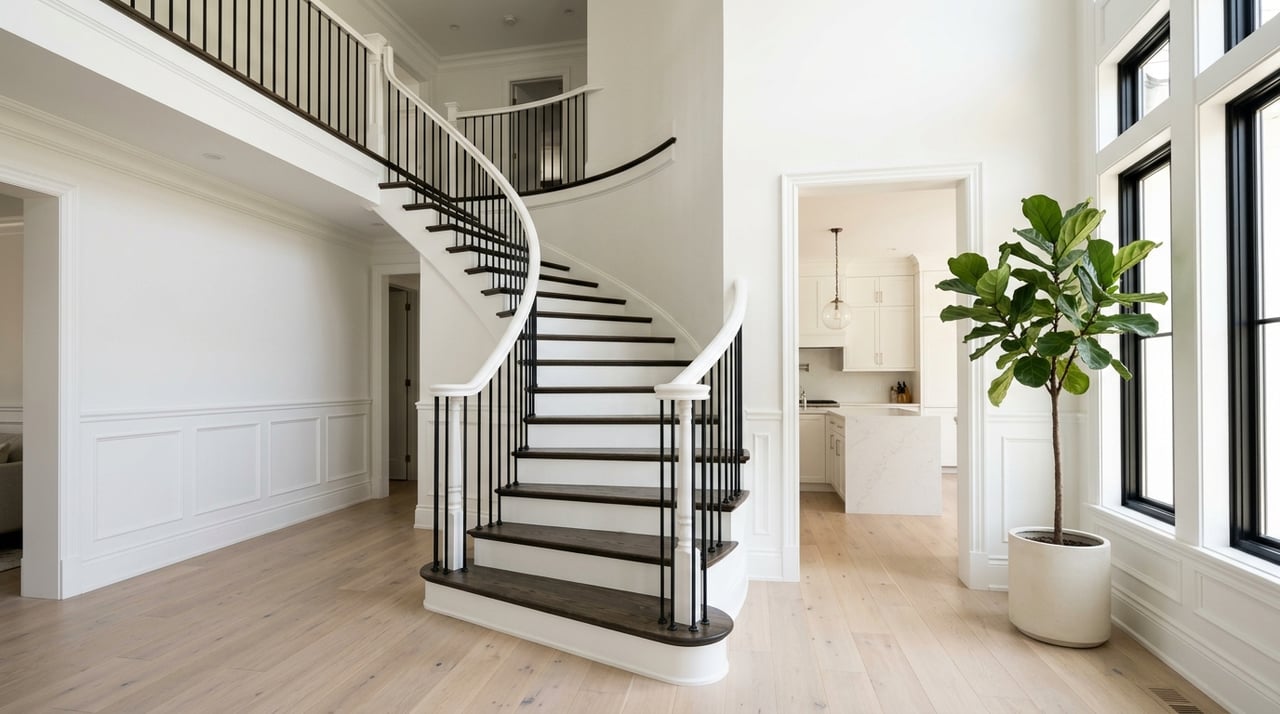
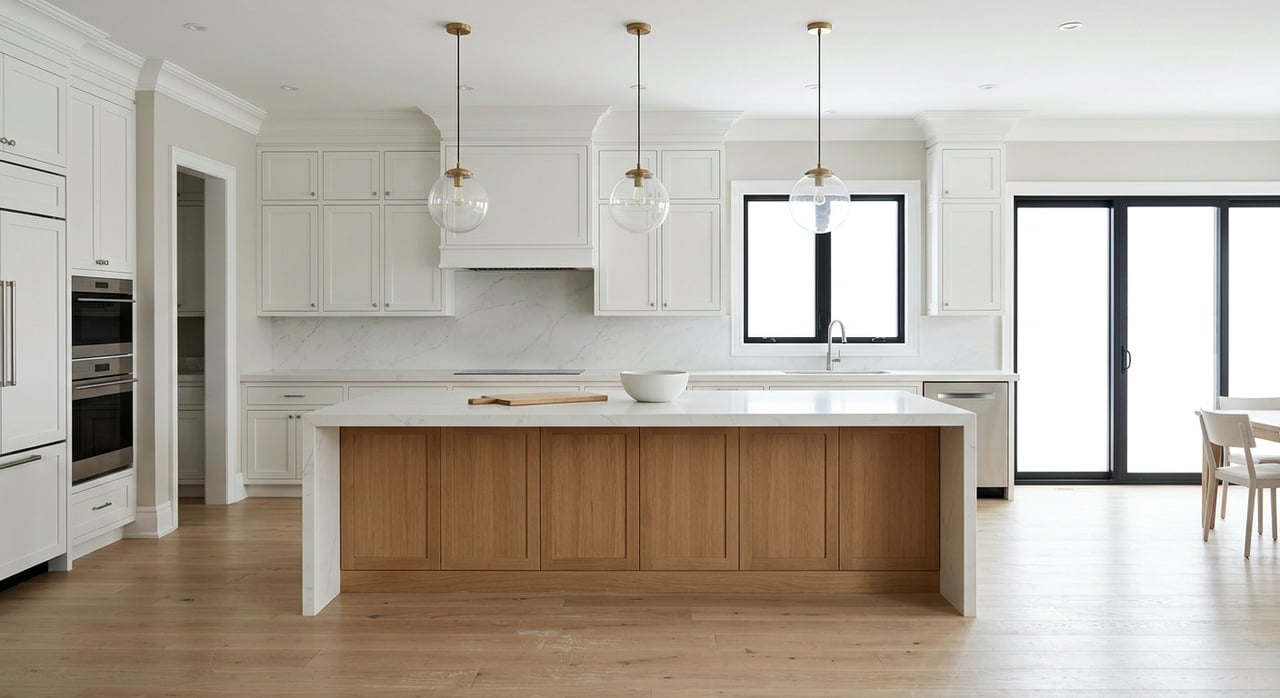
Staging does not have to mean a full redesign. It means helping buyers see the home clearly. According to the 2025 NAR Profile of Home Staging, the most commonly staged rooms were the living room at 91%, primary bedroom at 83%, dining room at 69%, and kitchen at 68%.
The same report found that 83% of buyers’ agents said staging made it easier for buyers to envision the property as a future home. It also found that 49% of sellers’ agents said staging reduced time on market, and 29% said it led to a 1% to 10% increase in dollar value offered.
Focus on these areas first
If you want to stage efficiently, start with the spaces buyers tend to remember most:
- Living room
- Primary bedroom
- Dining area
- Kitchen
- Front entry
- Main outdoor approach
These spaces shape the first impression and the emotional tone of the showing. If your budget is limited, prioritize clarity, light, and cleanliness over decoration.
Curb appeal still counts
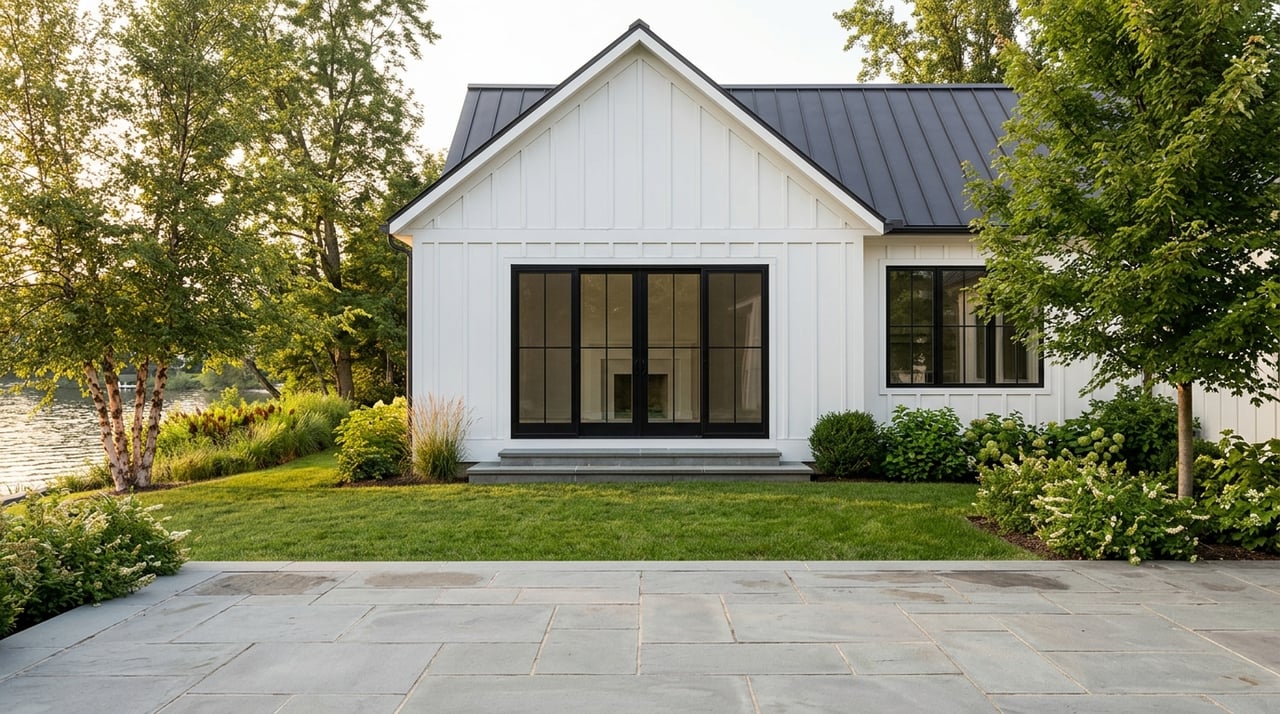
Your exterior sets expectations before a buyer ever walks inside. NAR reported that 92% of REALTORS suggested sellers improve curb appeal before listing, and 97% said curb appeal is important in attracting a buyer. That makes exterior prep one of the most practical places to start.
In Fishkill, curb appeal can mean slightly different things depending on the setting. In village-style areas, it may be about façade condition and visual fit with the street. In newer neighborhoods, it may be more about a neat lawn, clean lines, and visible upkeep.
Quick curb appeal wins
Before listing, consider a short exterior checklist:
- Edge and mow the lawn
- Trim shrubs and remove debris
- Clean the front door and hardware
- Touch up peeling paint where appropriate
- Replace burnt-out bulbs
- Power wash walkways or siding if needed
- Clear porches and entry areas
Small improvements can help buyers feel more positive before the showing even begins. That can influence how they view the rest of the home.
Timing your list date in Fishkill
Nationally, Realtor.com’s 2026 Best Time to Sell report identified April 12 through 18 as the best week to list. It also noted that sellers should begin the preparation process well before the planned list date. That is useful guidance, but timing alone will not do the heavy lifting.
In Fishkill, local conditions suggest that pricing and presentation are what help a listing stand out first. With 49 homes for sale, a 32-day median market time, and a 98% sale-to-list ratio in the March 2026 snapshot, well-prepared homes priced correctly are in a stronger position to capture attention quickly.
Build a prep timeline backward
If you have a target move date, work backward from it. Leave time for decluttering, repairs, cleaning, photos, document gathering, and any permit-related work that may apply. A rushed listing often shows its stress.
A thoughtful timeline gives you more control. It also helps you avoid making expensive decisions at the last minute. In a market like Fishkill, preparation is not separate from pricing. It supports it.
Your best sale plan is specific to your home
The strongest listing strategy in Fishkill is usually the one built around your exact property, not a generic checklist. A village home, a historic-area property, and a newer subdivision home may each need a different pricing approach and a different prep plan. That is what local data and planning context make clear.
If you want to sell with confidence, start by understanding how your home compares to nearby sales, what buyers in your area are likely to notice, and which improvements will help you present the home at its best. When pricing and preparation work together, your home has a better chance to stand out for the right reasons.
If you’re thinking about selling in Fishkill and want a strategy built around your home’s location, condition, and timing, Carol Mahoney Team Inc can help you start with a clear plan and a free home valuation.
FAQs
How should I price my home in Fishkill, NY?
- Use nearby comparable sales and your home’s specific condition, lot, and micro-location instead of relying only on county or townwide averages.
Do Fishkill neighborhoods affect how fast a home sells?
- Yes. Recent Fishkill market data shows noticeable differences in price and days on market across local segments such as Fishkill Village, East End Historic District, Knapps Corner, and West Fishkill.
What should I fix before listing a home in Fishkill?
- Start with decluttering, deep cleaning, curb appeal, small visible repairs, safety device checks, and records for major systems before considering larger renovations.
Do I need permits for repairs before selling in Fishkill?
- The Town of Fishkill states that permits are required before certain construction, alteration, repair, and mechanical system work, so it is wise to check local rules before starting projects.
What disclosures do sellers need in New York?
- In most residential sales, sellers must provide the New York Property Condition Disclosure Statement before the buyer signs a binding contract, and update it if material information changes.
Does staging help when selling a Fishkill home?
- Yes. National staging data shows staging can help buyers picture the home more easily and may reduce time on market, especially when key rooms are presented well.