Thinking about a low‑maintenance home base in Poughkeepsie that keeps your budget and lifestyle in balance? Condos and townhomes can offer the space you want with fewer weekend chores. If you are buying your first place or downsizing, the right guidance helps you compare options, understand fees, and avoid financing surprises. In this guide, you will learn local price and size ranges, what monthly dues usually cover, key lending rules, and a simple due‑diligence checklist to buy with confidence. Let’s dive in.
Why choose a condo or townhome in Poughkeepsie
Poughkeepsie gives you range. You will find high‑rise condos near the waterfront and Academy Street, garden‑style communities near Route 9 and the Arlington area, and townhome clusters along Salt Point Turnpike and South Road. That mix lets you choose between walkable, elevator buildings and more house‑like layouts with private entries.
Compared to many single‑family homes, condos and townhomes often come with lower exterior upkeep and predictable monthly dues. That can help your cash flow, especially if you want to simplify maintenance or lock‑and‑leave for travel.
You also get location variety. Downtown puts you close to transit and dining. Suburban clusters near Route 9 and Titusville Road offer easy highway access. Townhome communities along Salt Point Turnpike and Panorama Court feel residential while keeping exterior care with the association.
What you will find: types and locations
High‑rise and downtown options
Near downtown and the waterfront, multi‑story towers offer elevators, assigned parking, and sometimes community rooms or a pool. A few full‑service buildings report higher monthly assessments because they include more services or utilities. Always confirm what is included by reviewing the association’s budget and recent financials.
Garden‑style condo complexes
East of Route 9 and around the Arlington area, garden‑style communities feature low‑rise buildings with surface parking. Many date from the 1970s to the 1990s. Typical amenities include landscaping, snow removal, trash, and sometimes a pool or laundry rooms.
Townhome‑style and fee‑simple townhouses
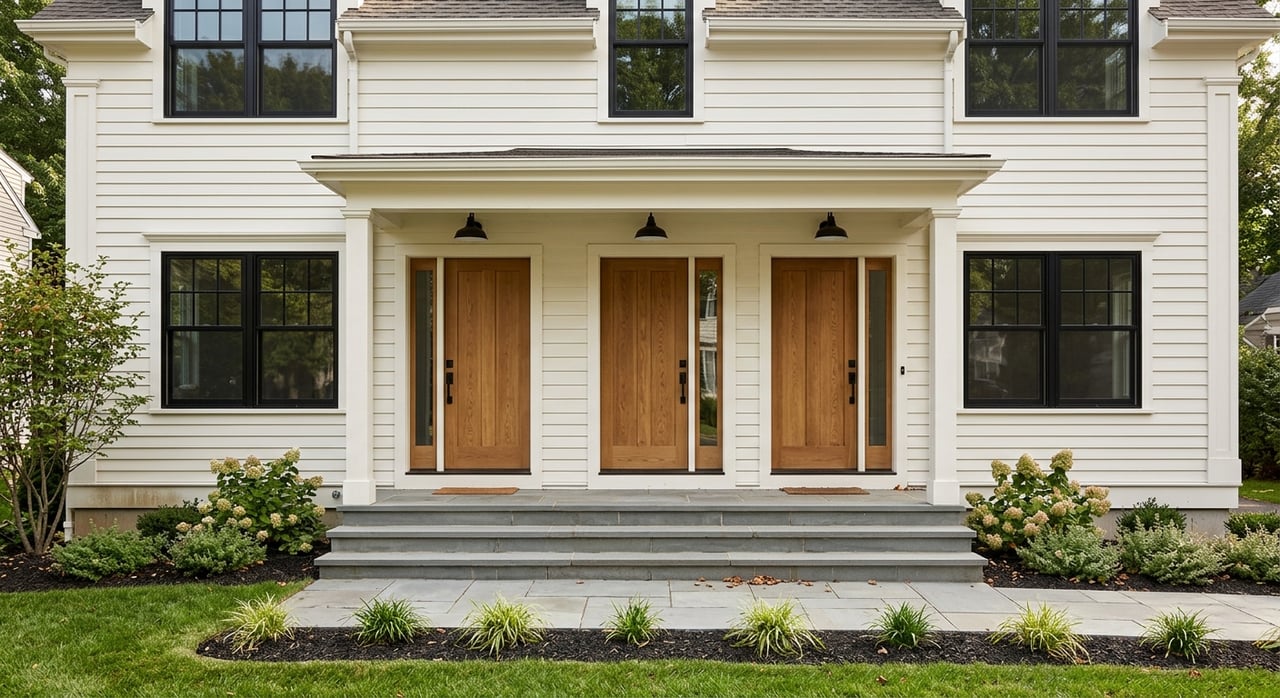
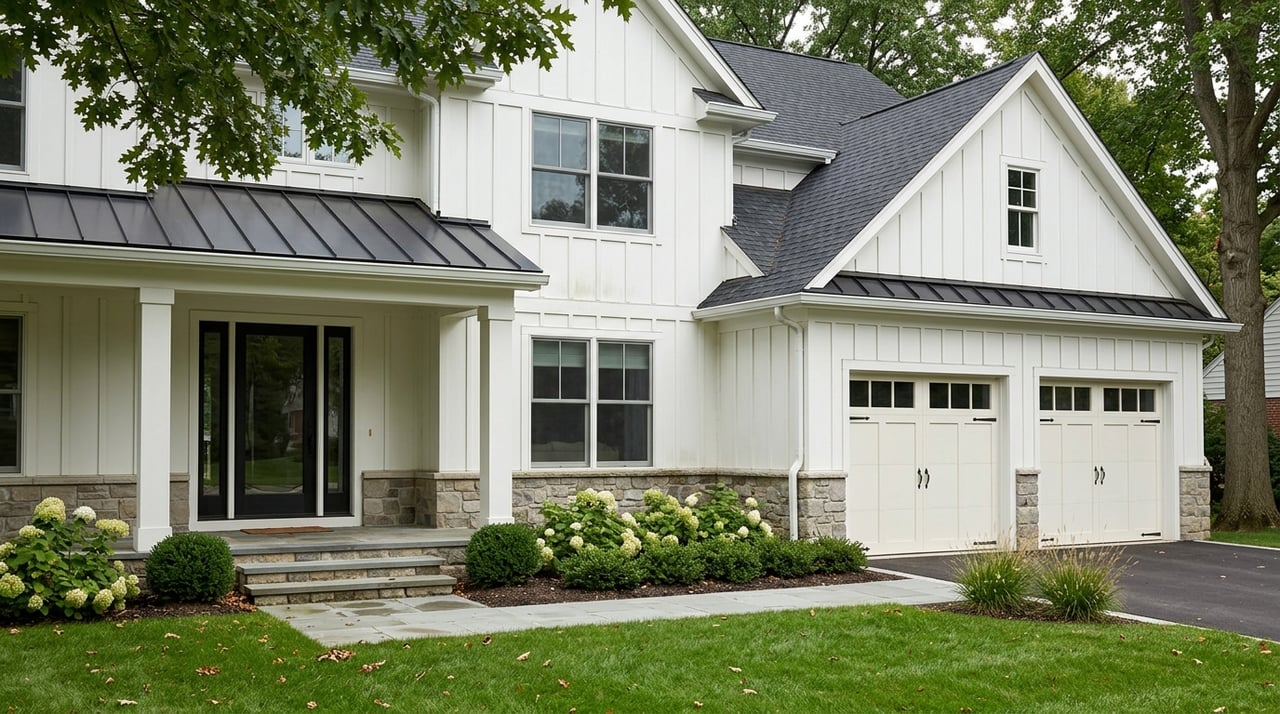
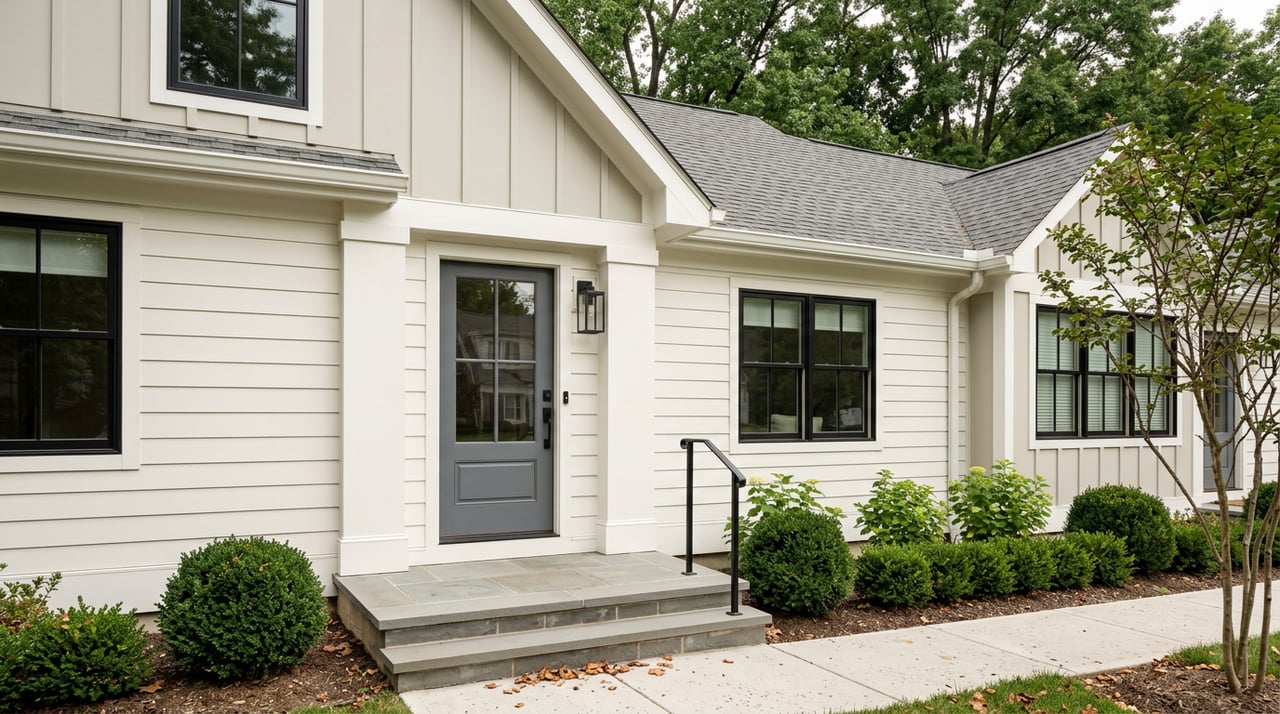
Attached, multi‑level townhomes are common along Salt Point Turnpike and South Road. Many feel like a small house with private entry. The association usually handles exterior maintenance, which reduces upkeep while you still enjoy more interior space.
Typical prices, sizes, and monthly fees
- Prices you will often see: one‑bedroom condos commonly appear in the low‑to‑mid $100k to $225k range. Two‑bedroom condos and many townhouses often list around $180k to $350k. Premium river‑view units or fully amenitized buildings can be higher. Ranges vary by building, location, and condition.
- Sizes you will often find: 1‑bedroom condos about 500 to 900 sq ft, 2‑bedroom units about 800 to 1,400 sq ft, and townhomes starting near 1,000 to 1,600+ sq ft.
- Monthly HOA or condo fees: many Poughkeepsie listings show dues roughly in the $250 to $550 per month range. Full‑service or fee‑inclusive towers can run higher. The association’s operating budget and reserve funding explain why a specific fee is set where it is.
What condo and townhome fees cover
Often included
Many local associations include exterior building maintenance, landscaping, snow removal, trash, common‑area utilities, and a master insurance policy. In some buildings, water and sewer are included. Certain high‑rise units report that heat or hot water is included in the monthly assessment. Always verify by reviewing the current budget and the resale packet before you commit.
Not usually included
You will typically pay for your interior condo insurance (an HO‑6 policy), your electricity and internet, and your property taxes. Mortgage payments are separate. If the association levies a special assessment for a major project, owners pay their share based on the governing documents. To understand the building’s long‑term plan, ask for the most recent reserve study and funding plan. The Community Associations Institute describes industry standards for reserve planning in its public policy guidance, which you can review to frame your questions to the board or manager. See the CAI overview of reserve study standards for context at the Community Associations Institute’s website: CAI reserve study standards.
Reserves and special assessments
A well‑funded reserve reduces the chance of sudden special assessments. Underfunded reserves plus aging roofs, decks, or parking areas raise risk. Ask for the last 2 to 3 years of financials, the current reserve balance, the latest reserve study, and any meeting minutes that mention planned capital projects. If you see chronic shortfalls, expect fees or assessments to adjust.
What your total monthly cost might look like
Here is a simple example to frame your budget for a typical 2‑bedroom condo:
- Sample purchase price: $275,000
- Down payment and loan terms: depends on your program
- Estimated HOA fee: $400 per month
- Estimated property tax: confirm for the unit and municipality
- HO‑6 condo insurance: request quotes once you have the master policy summary
Your monthly payment combines principal and interest, property taxes, HOA dues, and HO‑6 insurance. Exact numbers vary by unit and program. You can get a sense of closing cost add‑ons like mortgage tax and recording fees at the Dutchess County Clerk’s site: Dutchess County Clerk fee schedules.
Financing differences to know
Project eligibility matters
With condos, lenders review the whole project, not just your unit. Agency programs use project rules that cover things like owner‑occupancy ratios, reserves, investor concentration, and litigation. Your lender can check eligibility through Fannie Mae’s Condo Project Manager: Fannie Mae Condo Project Manager.
If a building fails agency tests, it may be considered non‑warrantable, which can mean higher rates, different down payment requirements, or portfolio financing. For a plain‑English overview of warrantable vs non‑warrantable, read this guide: warrantable vs non‑warrantable condos.
FHA and VA specifics
- FHA: Your unit is eligible only if the condo project is FHA‑approved or a lender grants a single‑unit approval under current HUD rules. Check status early in your search: HUD condo lookup.
- VA: VA buyers should have their lender review the association’s documents and any project‑level approvals as soon as possible. Early review prevents last‑minute surprises.
Down payments and underwriting
FHA programs allow low down payments for qualified borrowers, often around 3.5 percent, subject to credit and other rules. Some conventional loans can go as low as 3 percent for eligible first‑time buyers, but project approval still applies. You can review a consumer‑friendly FHA checklist here: FHA loan requirements. For Freddie Mac’s project eligibility perspective, see this summary: Freddie Mac condo project requirements.
How to avoid financing surprises
- Choose a lender experienced with condos before you write offers.
- Share the association name and legal phase so the lender can run a project review on day one.
- If a project is not agency‑eligible, discuss alternatives quickly so you can adjust terms or move on.
Buyer due‑diligence checklist
Request these items as soon as your contract is signed, and build time in your contingency to review them.
- Governing documents: declaration, bylaws, and rules and regulations. For a grounding reference, see New York’s Condominium Act, Article 9‑B: NY Real Property Law, Article 9‑B.
- Budget and financials: current operating budget, last 2 to 3 years of financial statements, and current bank balances for operating and reserves. CAI outlines why reserves matter here: CAI reserve study standards.
- Reserve study: the latest report and funding plan, or a written statement if none exists.
- Meeting minutes: 12 to 24 months to spot planned repairs, litigation, or owner concerns.
- Insurance: association’s master policy certificate, deductible levels, and whether it is bare‑walls or all‑in. Then get HO‑6 quotes tailored to the master policy: HO‑6 insurance explained.
- Litigation and delinquencies: any pending or threatened litigation, delinquency rates, owner‑occupancy percentages, and rental caps. These items affect financing and risk. See a Freddie Mac oriented summary of project criteria here: condo project requirements.
- Estoppel or resale certificate: the official packet confirming assessments, unpaid fees, and restrictions. Lenders typically require this during underwriting. Your lender can coordinate timing alongside the project review process outlined in Fannie Mae’s tools: Fannie Mae Condo Project Manager.
Smart timing for your review period
- Request the association packet as soon as you have a signed contract. Build review days into your contingencies.
- Have your lender run the project review immediately using HUD and agency tools: HUD condo lookup and Fannie Mae Condo Project Manager.
- Book a condo‑savvy home inspection. Use the reserve study and minutes to focus on items like roofs, parking areas, and moisture.
- Confirm insurance needs with your agent after you review the master policy: HO‑6 insurance explained.
Local closing logistics and taxes
In Dutchess County, buyers budget for a state mortgage tax and recording charges. You can review fee categories here: Dutchess County Clerk fee schedules. Property taxes are separate from HOA dues, and municipal budgets can change yearly. When you compare units, ask your agent for the current tax bill for that specific property so you can calculate an apples‑to‑apples monthly cost.
How our team helps you buy with confidence
When you shop condos and townhomes, details matter. You want clear answers about fees, reserves, and financing so you can move forward without surprises. Our team pairs hyper‑local guidance with hands‑on coordination to keep you informed and on schedule.
- Neighborhood intelligence: block‑by‑block context across Poughkeepsie and surrounding Dutchess communities.
- Lender coordination: we help you connect with condo‑experienced lenders and keep the project review moving.
- Diligence support: we request the right documents early, summarize key findings, and flag red‑to‑green items.
- Trusted referrals: local inspectors, attorneys, and insurance pros who know how to evaluate condos and townhomes.
Ready to find the right fit and close smoothly? Let the Carol Mahoney Team Inc guide your next move.
FAQs
What do condo HOA fees in Poughkeepsie usually include?
- Many local HOA dues cover exterior maintenance, landscaping, snow removal, trash, common‑area utilities, and a master insurance policy, with some buildings including water, sewer, or even heat and hot water.
How do I check if a Poughkeepsie condo is FHA‑approved?
- Search the building in HUD’s database early in your process using the official tool here: HUD condo lookup.
What is a non‑warrantable condo and why does it matter?
- A non‑warrantable condo does not meet agency rules for standard conventional loans, which can mean higher rates or different down payment needs; see this overview: warrantable vs non‑warrantable condos.
What insurance do I need for a condo in Dutchess County?
- You will need an HO‑6 policy for your unit and belongings, coordinated with the association’s master policy; here is a plain‑English guide: HO‑6 insurance explained.
What documents should I review before buying a condo or townhome?
- Ask for governing documents, budgets and financials, the reserve study, meeting minutes, the insurance certificate, litigation disclosures, occupancy data, and the formal resale certificate; New York’s Condominium Act is a helpful reference: NY Real Property Law, Article 9‑B.
What closing costs are unique to Dutchess County condo purchases?
- Expect the state mortgage tax and local recording charges in addition to standard costs; you can see categories at the county site: Dutchess County Clerk fee schedules.