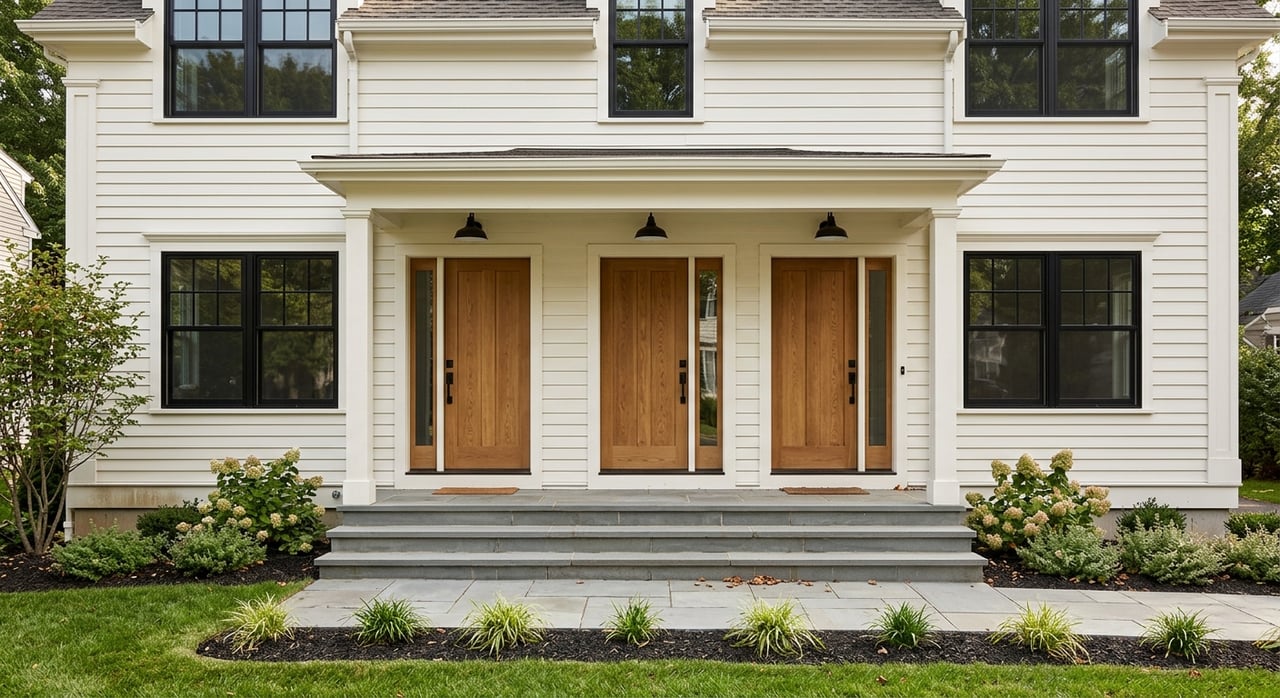
Thinking about buying a duplex, triplex, or four-unit property in Dutchess County? You are not alone. In a market where housing supply is tight and rents remain elevated, small multifamily properties can offer a practical path to building income, offsetting your housing costs, or adding a residential investment to your portfolio. The key is knowing where the numbers support the strategy, what risks to plan for, and how Dutchess County’s local housing conditions shape your options. Let’s dive in.
Why Small Multifamily Matters
Small multifamily properties sit in a useful middle ground. They are often more accessible than larger apartment buildings, but they can still create multiple income streams from one address.
That matters in Dutchess County, where the housing market remains competitive. According to the U.S. Census Bureau’s Dutchess County QuickFacts, 69.2% of housing is owner-occupied, the median owner-occupied home value is $400,600, and median gross rent is $1,582. That mix suggests a county with strong ownership demand, but also a meaningful renter base.
The county’s own housing data shows more multifamily stock than many buyers assume. In the 2025-2029 Dutchess County and City of Poughkeepsie Consolidated Plan, the housing mix includes 13% in 2-4 unit properties, 9% in 5-19 unit properties, and 5% in 20+ unit properties. The same report notes a need for more multifamily housing and says overall vacancy fell from 11% to 6% between 2019 and 2023.
Dutchess County Demand Signals
If you are evaluating a small multifamily purchase, rental demand is one of the first things to study. Dutchess County’s current data points to ongoing supply pressure.
The county’s 2024 Rental Housing Survey Report found a 1.6% vacancy rate for market-rate apartment units. The report states that 5% is generally considered a healthy benchmark, and that county vacancy has stayed below that level for more than 25 years.
Rents have also continued to rise. The same survey reported average market-rate rents of $1,854 for one-bedroom units, $2,304 for two-bedroom units, and $2,845 for three-bedroom units, with year-over-year increases ranging from 6.4% to 11.1%.
That does not mean every duplex or triplex will perform like a large apartment complex. The report is clear that these are asking rents for newly leased units, not direct comps for every small building. Still, they offer a useful benchmark for understanding the broader direction of the market.
What Buyers Should Know About Unit Mix
Smaller units continue to matter in Dutchess County. The county’s rental survey found that 92% of market-rate apartment units were one- or two-bedroom units.
That is useful for investors and live-in buyers alike. It suggests steady demand for practical layouts, especially in properties that offer efficient one- and two-bedroom apartments rather than oversized units that may be harder to price or fill.
It also lines up with longer-term demographic changes. Dutchess County’s 2024 For-Sale Housing Report shows the county median home price reached $475,000 in 2024, up 10.7% from 2023, while average household size has fallen from 3.23 in 1960 to 2.49 in 2020. Smaller households can support continued relevance for smaller-unit housing.
Best Areas to Start Your Search
In Dutchess County, not every submarket offers the same rental profile. If you are screening for small multifamily opportunities, it helps to start where rental stock is already concentrated.
According to the 2024 Rental Housing Survey Report, the largest shares of surveyed market-rate apartment units are in the Town of Poughkeepsie at 27.1%, Town of Fishkill at 22.8%, Town of Wappinger at 17.4%, and City of Poughkeepsie at 11.8%. That concentration supports a practical first-pass search strategy focused on the western and southern parts of the county, along with established city and village centers.
The county’s consolidated plan adds useful context. It notes that housing-related challenges are generally concentrated in the western part of Dutchess County, especially around Poughkeepsie and nearby areas, where there is stronger local and regional transit, existing infrastructure, and established commercial centers. These are often the kinds of places where small multifamily properties make the most operational sense.
That does not mean rural areas never work. It does mean your search should be grounded in local rental patterns, access, and infrastructure rather than broad assumptions.
Why Supply Constraints Matter
Tight supply can support rental demand, but it can also make acquisitions more competitive and operations more expensive. Dutchess County shows signs of both.
The county’s rental survey says apartment construction stayed steady in 2024, but remained 57% below its 2020 peak. The same report identified 968 short-term rentals countywide in the fourth quarter of 2024, which may reduce the stock available for long-term leasing.
For buyers, this reinforces an important point: existing small multifamily inventory can be valuable because replacing it is not simple. Limited new supply, competing uses for housing stock, and rising costs all shape how these assets perform over time.
Owner-Occupant Strategies Can Change the Math
One of the most practical ways to buy a small multifamily property is to live in one unit and rent out the others. That approach can open different financing paths than a pure investment purchase.
HUD states that FHA single-family programs are limited to one- to four-family properties that are owner-occupied principal residences. Fannie Mae’s HomeReady guidance says a two- to four-unit principal residence generally requires a 3% minimum borrower contribution from the borrower’s own funds when loan-to-value is above 80%, and rental income from the other units may be used. Freddie Mac also allows financing for two- to four-unit owner-occupied primary residences and permits rental income from the additional units to be added to borrower income.
This makes duplexes, triplexes, and four-family properties especially relevant if you want to reduce your monthly housing burden while building equity. At the same time, owner-occupant financing has program rules, reserve requirements, and property-condition standards that can differ from investor loans.
Underwrite With Caution
It is easy to get excited by headline rent numbers. It is much smarter to underwrite a property based on the building in front of you.
The county survey’s rent figures are directional benchmarks, not replacements for actual rent rolls, lease terms, utility splits, or maintenance history. A well-kept triplex in one location may perform very differently from a dated two-family in another part of the county.
It is also important not to mix market-rate and regulated housing when comparing rents. The county’s rental survey shows average two-bedroom rents of $1,341 in tax-credit and inclusionary apartments versus $2,304 in market-rate complexes. Both matter for local housing context, but they are not the same product type.
Age and Condition Are Major Factors
In Dutchess County, physical condition is often a big part of the investment story. Many properties are older, and that affects both your upfront due diligence and your long-term reserves.
The county’s consolidated plan states that 35% of housing units were built before 1950 and another 30% were built between 1950 and 1979. It also notes that older housing typically requires continual maintenance, and that homes built before 1978 may involve lead-based paint risk.
For small multifamily buyers, that means inspections should go beyond cosmetic issues. You will want a clear understanding of roofing, plumbing, electrical systems, heating equipment, drainage, windows, and deferred maintenance. In older city and village housing stock, those details can have a major impact on your real operating costs.
Flood and Infrastructure Review Matter Too
Location risk is not only about rent potential. Infrastructure and environmental conditions can also shape whether a deal truly works.
The county plan describes Dutchess as a high-tax, high-cost market with infrastructure constraints in sewer, water, transportation, broadband, and electricity. That means you should review utility service, parking, commute access, and any local approval issues before you commit.
The same plan also warns that more intense precipitation and Hudson River sea-level-rise effects may increase flooding risk in tidal communities along the river. If you are looking near the Hudson, flood-zone review and insurance analysis should be part of your early screening process.
Understand New York Landlord Rules
Before you buy, make sure you understand the basics of operating a rental property in New York. Landlord obligations can affect both your systems and your cash flow.
According to the New York Attorney General’s residential tenants’ rights guide, security deposits are limited to one month’s rent, must be treated as trust funds, and cannot be mixed with personal funds. The guide also states that security deposits must be returned within 14 days with an itemized statement if deductions are taken.
Rent stabilization is another area where buyers should avoid assumptions. The New York State Homes and Community Renewal rent information page explains that outside New York City, rent stabilization under the Emergency Tenant Protection Act applies only where a municipality adopts it in response to a housing emergency. That means you should confirm the rules for the specific municipality and property instead of assuming a countywide standard.
Local Support Signals Long-Term Relevance
Dutchess County is not sitting still on housing issues. That matters because it shows local leaders recognize the need to preserve and expand housing options, including smaller-scale properties.
The county’s Housing Trust Fund page highlights 2025 funding awards that included a duplex in Amenia and rehabilitation and expansion of an existing four-unit building in Poughkeepsie. That is a useful signal that small multifamily housing is part of the county’s broader housing strategy.
For buyers, this does not guarantee easier acquisitions. It does suggest that duplexes, triplexes, and four-unit properties are relevant pieces of the local housing landscape, not fringe asset types.
A Smart Buying Approach
If you are serious about investing in a small multifamily property in Dutchess County, a focused process can help you avoid expensive mistakes.
Start with these priorities:
- Define whether you are buying as an owner-occupant or a pure investor.
- Focus your search on areas with established rental demand and practical infrastructure.
- Use county rent data as context, not as your only underwriting input.
- Review age, systems, and maintenance history carefully.
- Check flood exposure, insurance costs, utilities, and parking.
- Confirm municipal rules and New York landlord requirements before closing.
- Build a realistic reserve plan for repairs and turnover.
Small multifamily investing in Dutchess County can be a smart move, especially if you want flexibility, income potential, and a property type that sits between a single-family home and a larger apartment asset. The best opportunities usually come from disciplined local analysis, not broad market hype.
If you want help identifying the right areas, evaluating property fit, or navigating a duplex, triplex, or four-unit purchase in Dutchess County, the Carol Mahoney Team Inc can help you approach the process with clear local insight and hands-on support.
FAQs
What makes small multifamily properties attractive in Dutchess County?
- Small multifamily properties can offer multiple income streams, and Dutchess County data shows tight rental supply, rising rents, and continued need for more multifamily housing.
Where should you start looking for multifamily properties in Dutchess County?
- A strong first pass includes the Town of Poughkeepsie, Town of Fishkill, Town of Wappinger, City of Poughkeepsie, and other established city or village centers where rental stock is more concentrated.
Can you use owner-occupant financing for a duplex or triplex in Dutchess County?
- Yes, owner-occupied one- to four-family properties may qualify for certain financing programs, and some programs allow rental income from the other units to help support qualification.
How should you estimate rent for a small multifamily property in Dutchess County?
- Use county rental survey data as a market benchmark, but rely on the actual property’s rent roll, lease terms, condition, utilities, and local comparable units for underwriting.
What property risks should you review before buying a small multifamily building in Dutchess County?
- Pay close attention to age and condition, including roofing, plumbing, electrical, heating systems, drainage, possible lead-based paint issues, flood exposure, and infrastructure limitations.
What landlord rules matter for Dutchess County multifamily buyers?
- New York rules on security deposits, deposit handling, and return timelines are important, and rent regulation should be verified at the municipal and property level rather than assumed countywide.