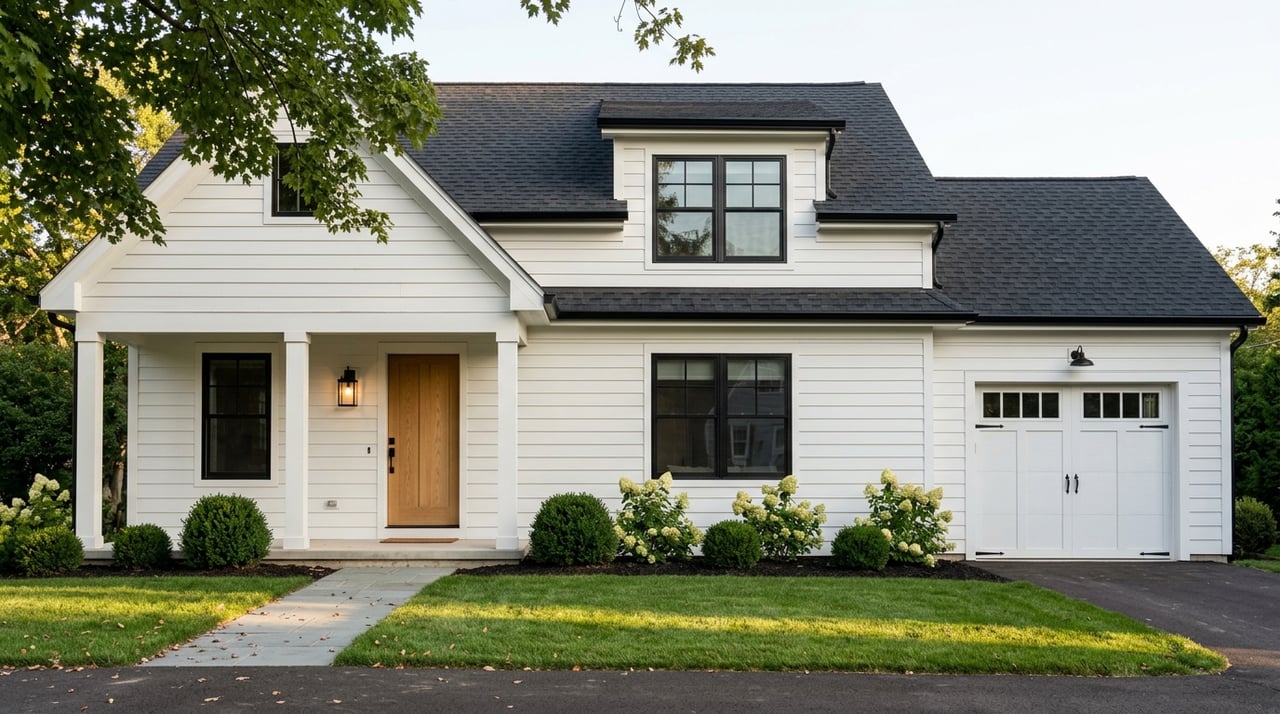
If your current home feels like more work than it used to, you are not alone. In Dutchess County, many homeowners are starting to ask whether a smaller, simpler home could make everyday life easier without giving up the lifestyle they enjoy. The good news is that downsizing can open up real options, and this guide will help you compare them, think through costs, and plan your next move with more confidence. Let’s dive in.
Why Downsizing Is Growing in Dutchess County
Dutchess County is still a market shaped mostly by owner-occupied, detached homes, but the local numbers also show why downsizing is becoming a bigger conversation. Census QuickFacts report 300,708 residents in the county, with 20.2% age 65 and older, a 69.2% owner-occupied rate, and an average household size of 2.40 people.
County planning data shows two trends moving in the same direction: the median age is rising and average household size is declining. In practical terms, that means more homeowners are looking at houses that fit how they live now, not how they lived 10 or 20 years ago.
That shift matters because your next move is not just about square footage. It is also about maintenance, layout, monthly costs, and how close you want to be to shopping, appointments, recreation, and daily services.
What Downsizing Can Look Like
Downsizing does not have to mean moving into a tiny space or leaving Dutchess County. For many homeowners, it simply means choosing a home with less upkeep, fewer stairs, a more manageable yard, or a monthly budget that feels easier to control.
In Dutchess County, most downsizers tend to focus on three broad paths:
- Condos and townhomes
- Smaller detached homes
- Rental or older-adult housing as a bridge option
Each one comes with tradeoffs. The right fit depends on how much independence, flexibility, and maintenance relief you want.
Condo and Townhome Options
For many homeowners, condos and townhomes are the clearest low-maintenance ownership choice. They can reduce exterior upkeep and may offer a simpler day-to-day routine than a larger single-family home.
The local price gap is worth noting. In March 2026, OneKey MLS reported a countywide median sales price of $531,500 for single-family homes and $323,000 for condos. That makes condos one of the most direct ways to buy less house at a lower price point in Dutchess County.
Inventory also matters. The same report showed 465 single-family homes in inventory, compared with 52 condos and 22 co-ops. So while condos can be attractive for downsizers, you may have fewer choices and need more patience during your search.
Look Beyond the List Price
A condo may cost less to buy, but that does not always mean it costs less each month. Condo and HOA dues are typically separate from your mortgage payment, and those fees can range from a few hundred dollars a month to more than $1,000 depending on the property and services offered.
That is why the smartest comparison is total monthly cost, not just sale price. When you look at options, include mortgage payment, property taxes, homeowner’s insurance, utilities, and any HOA or condo dues.
Smaller Detached Homes
If you still want a private yard, garage, or more independence, a smaller detached home may be the better match. This option can let you cut back on space without fully changing the style of living you are used to.
Because Dutchess County housing stock is still dominated by detached homes, smaller single-family properties may be easier to find in outer towns than in denser Poughkeepsie-area settings. That will vary by location and inventory, but it is a useful starting point when planning your search.
This path can work especially well if your goal is to simplify without taking on shared-building rules or monthly association dues. It may also feel like a gentler transition if you have owned a detached home for many years.
Rental Bridge and Older-Adult Housing
Not every downsizing move has to go directly from one purchase to another. Some homeowners choose to sell first, free up equity, and move into a rental while they decide what kind of home fits best long term.
In Dutchess County, this can be a practical option if you want to avoid rushing into a purchase or if you are waiting for the right low-maintenance property to come on the market. It can also help if you need more flexibility around timing.
The Dutchess County Office for the Aging offers a housing guide that includes information on low-income tax credit properties, subsidized housing, Section 8 vouchers and certificates, and other older-adult housing resources. The county Planning Department also points residents to housing tools and programs related to for-sale housing, rehabilitation help, and other transition resources.
How Location Changes Your Choices
One of the biggest mistakes downsizers make is assuming every part of Dutchess County offers the same housing mix. It does not.
The county’s 2025-2029 Consolidated Plan says 64% of housing units are 1-unit detached, while the City of Poughkeepsie has a much more multifamily and renter-occupied housing profile. That means your options can look very different depending on whether you want to stay in a more suburban setting or move closer to the city core.
If your goal is convenience and lower exterior maintenance, areas with more attached or multifamily housing may offer more of what you are looking for. If your priority is keeping more privacy and outdoor space, a smaller detached home in a suburban or small-town setting may make more sense.
What 12501 Suggests About Timing
In ZIP code 12501, Realtor.com’s February 2026 snapshot showed a median listing price of $449,000 and a median 102 days on market. Nearby Poughkeepsie city showed a $400,000 median listing price and 142 homes for sale.
The main takeaway is simple: you should plan for a real search window. Even if you are ready to downsize, the right home may not appear immediately, especially if you are targeting a specific price point, layout, or maintenance level.
Will Downsizing Actually Lower Your Monthly Costs?
This is one of the most important questions, and the answer is not always yes. A smaller home can lower some expenses, but the monthly picture depends on more than square footage.
When you compare homes, budget for:
- Principal and interest
- Property taxes
- Homeowner’s insurance
- Mortgage insurance, if applicable
- Flood insurance, if applicable
- Utilities
- Maintenance
- HOA or condo fees
- Closing costs, which often run about 2% to 5% of the purchase price
Dutchess County numbers help show why this matters. Census data reports median monthly owner costs of $2,597 with a mortgage and $1,064 without a mortgage, while median gross rent is $1,582. So even if you move into a smaller property, your monthly payment may not drop as much as expected if taxes or association fees remain high.
Tax Relief to Understand Before You Move
If you are 65 or older, property-tax relief may be part of your planning. But it is important to understand what each program actually covers.
In New York, the STAR benefit applies only to school-district taxes, not county, town, or city taxes in most places. Enhanced STAR is available for qualifying seniors age 65 and older on primary residences.
There is also a separate senior citizens exemption that may reduce taxable assessment by up to 50% where a municipality or school district adopts it. Because availability and income limits vary by locality, it is best to check with your local assessor rather than assume the same benefit applies everywhere in Dutchess County.
Another detail many buyers miss is that exemptions are removed when ownership transfers. New homebuyers are in the STAR credit system rather than the older STAR exemption system.
Should You Sell First or Buy First?
If you need the equity from your current home to fund your next purchase, selling first is often the cleaner financial path. It can give you a clear budget, reduce pressure, and help you avoid carrying two housing payments at once.
That said, selling first may mean you need temporary housing if your next home is not ready in time. This is where a rental bridge can be helpful, especially in a market where condo and low-maintenance inventory is limited.
Buying first may appeal if you want more control over your move, but it can be harder if you need proceeds from your sale. The right strategy depends on your finances, timeline, and how flexible you can be during the transition.
A Simple Downsizing Plan
If you are starting to think seriously about your next move, keep the process simple:
- Define your goal. Decide whether your priority is lower maintenance, lower monthly cost, one-level living, less yard work, or better convenience.
- Compare all-in monthly costs. Look beyond list price and include taxes, insurance, fees, and maintenance.
- Choose your location strategy. Decide whether you want a suburban setting, a more convenience-oriented area, or a temporary rental.
- Review tax questions early. If you may qualify for STAR or a senior exemption, confirm details with your assessor before you move.
- Build a realistic timeline. Inventory for downsizers can be limited, so give yourself room to search carefully.
Why Local Guidance Matters
Downsizing sounds simple on paper, but in practice it involves pricing, timing, inventory, tax questions, and often a lot of emotion. You may be leaving a home that has fit your life for years, while also trying to make a smart financial move for the future.
That is where local market knowledge matters. A strong plan should account for what is actually available in Dutchess County, what your current home may sell for, and how to line up your next step with the least stress possible.
If you are weighing your options for downsizing in Dutchess County, Carol Mahoney Team Inc can help you evaluate your home’s value, compare your next-move options, and create a plan that fits your timeline.
FAQs
Is a condo in Dutchess County always cheaper than a smaller house?
- Not always. Condos often have a lower purchase price, but you should compare total monthly cost, including HOA dues, taxes, insurance, and utilities.
What housing options are common for downsizing in Dutchess County?
- The most common options are condos or townhomes, smaller detached homes, and rental or older-adult housing as a transition step.
What does the STAR benefit cover for Dutchess County homeowners?
- STAR applies to school-district taxes only in most places, not county, town, or city taxes, and eligibility depends on the type of STAR benefit and your situation.
Can homeowners age 65+ get additional tax relief in Dutchess County?
- Possibly. A separate senior citizens exemption may be available in some localities, but rules and income limits vary, so you should contact your local assessor.
Is 12501 a market where downsizers should expect a quick search?
- Not necessarily. In February 2026, 12501 showed a median 102 days on market, which suggests you should allow time to find the right fit.
Where can you start if you want older-adult or rental housing resources in Dutchess County?
- A good local starting point is the Dutchess County Office for the Aging housing guide, along with the county Planning Department’s housing resources.