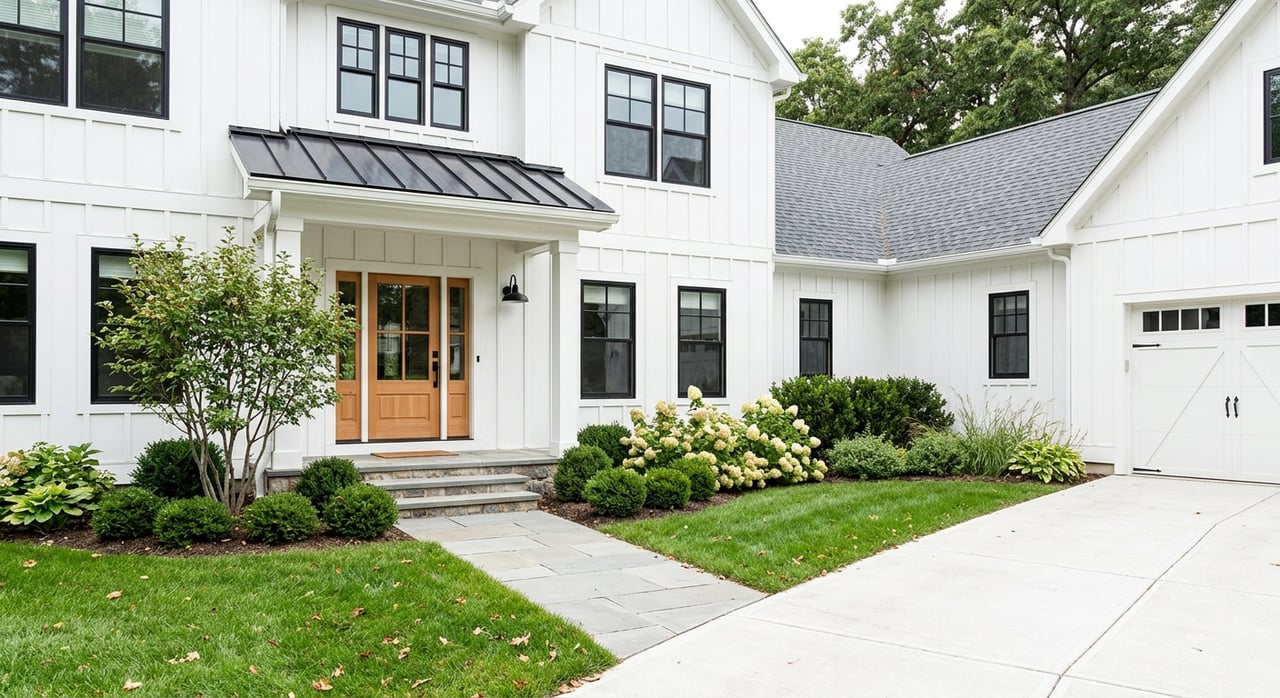
Buying your first home in Orange County, NY can feel big, especially around Monroe and South Blooming Grove in 10950. You want clear steps, real numbers, and local insight so you can move with confidence. In this guide, you’ll learn how the 2026 market looks, which loans and grants to explore, what inspections matter here, and how to plan for closing costs and timelines. Let’s dive in.
2026 market snapshot for first-time buyers
Prices across Orange County sit in the mid-$400Ks as of February 2026. Data providers measure differently, but recent snapshots show a Zillow home-value average near the mid-$400Ks and a Redfin median sale price around the mid-$400Ks for Feb 2026. Properties often go pending in about 60 days, though speed varies by town, price point, and condition. Expect micro-markets to behave differently, with some towns and ZIPs trending higher or moving faster than county-wide averages.
Here’s why numbers differ. Zillow uses modeled indexes and a broad dataset, while brokerage platforms rely on MLS-recorded sales over select time windows. The takeaway for you: use current, ZIP-level comps when you write offers, and confirm trends for 10950 at the time you shop.
Your step-by-step Orange County plan
1) Get pre-approved and set a budget
Start with a full mortgage pre-approval, not a quick pre-qualification. A pre-approval verifies income, assets, and credit, and it shows sellers you’re serious. Ask your lender to check eligibility for State of New York Mortgage Agency options and participating lenders on the SONYMA programs page.
Down payments vary. Nationally, first-time buyers have recently put down about 9 to 10 percent, according to NAR’s 2025 report. Your local number may be higher or lower based on price, taxes, and loan type. In Orange County, always budget based on the full monthly payment: principal and interest, property taxes, homeowner’s insurance, mortgage insurance if applicable, and any HOA dues.
2) Check local loans and assistance early
SONYMA offers fixed-rate mortgages for first-time buyers and a Down Payment Assistance Loan that can act like a 0 percent second mortgage if you meet requirements. Review eligibility rules and income and purchase-price limits with a participating lender on the SONYMA programs page.
Local grants appear in rounds and can be significant. RUPCO has administered down-payment and closing-cost grants for Orange County buyers in prior cycles. These funds are limited and time-sensitive, so contact the administrator early and ask about current availability using the RUPCO grant announcement.
3) Choose your agent and focus your 10950 search
Work with an agent who understands how town and school-district taxes affect your monthly payment. In Orange County, tax levies vary and can shift your affordability even when the price is the same. Compare the full monthly cost for each property, not just list price.
For 10950 (Monroe and South Blooming Grove), expect single-family homes to be the most common type, with some townhomes and condos in village areas. Owner-occupancy is a majority countywide. Prices, taxes, and inventory can differ a lot from nearby ZIPs like 10940 or 10990, so use ZIP-level comps when you set expectations.
4) Write a smart offer
Earnest money in many markets runs about 1 to 3 percent of the purchase price, or sometimes a fixed amount on lower-priced homes. The amount and who holds escrow should be in your offer. Keep key contingencies if you need a loan: financing, appraisal, and a home inspection. Add septic and well testing if the property is on private systems, and include a flood-insurance contingency if any part of the lot is in a FEMA flood zone.
Inspections and due diligence in Orange County
Plan for a general home inspection, a wood-destroying insect inspection, and radon testing. For homes built before 1978, review lead-based paint disclosures. If a home uses private septic or a private well, build in time for a septic inspection and well water testing for bacteria, nitrates, and flow.
Local towns may have separate rules for septic inspections or pump-outs on transfer. Request seller records and use a certified septic inspector. You can review an example of town code language on septic system standards in the region on ecode360.
Title work will check for liens and easements, and your lender will require lender’s title insurance. An updated survey is helpful to verify boundaries, corner markers, and the locations of improvements, wells, and septic components.
Appraisal, underwriting, and closing timeline
From accepted offer to closing, most conventional loans take about 30 to 60 days, assuming a clean title and no major repairs. FHA or VA loans can take longer. Stay responsive to lender requests, keep pay stubs and bank statements current, and complete any required homeowner education if you use assistance programs.
Cash to close includes your down payment minus the earnest deposit, lender and third-party closing costs, and prepaids for insurance and taxes. In New York, you will typically bring a bank check or send a wire to the attorney or title company for the final amount.
Costs and taxes to budget in Orange County
Property taxes
Property taxes in Orange County tend to be above the national median and vary by town and school district. County-level data points to an effective rate near 2.3 percent, with many annual bills falling roughly in the $6,000 to $12,000 range depending on location. Use a parcel-specific lookup before you offer, and review current county context using this Orange County tax overview.
Transfer taxes and mortgage taxes
New York State’s real estate transfer tax applies to most sales at a base rate of 0.4 percent, and a 1 percent mansion tax applies to residential sales of $1 million or more. Sellers commonly pay the state transfer tax, but confirm in your contract and closing statement. You can review state transfer tax basics through New York State Tax guidance.
Some towns add a local transfer tax. For example, the Town of Warwick imposes a 0.75 percent Community Preservation Fund transfer tax. Always check the local code for your target town or village. See the Warwick local transfer tax code as a reference.
New York also collects a mortgage recording tax on most new mortgages. This can be a meaningful buyer cost, so ask your lender and attorney for the estimated amount based on your loan size. See the Orange County recording office reference on Deeds.com.
Buyer closing-cost checklist
Typical buyer closing costs in New York often fall in the 2 to 5 percent range of the purchase price, plus prepaids for taxes and insurance. Expect items such as lender origination and underwriting fees, appraisal, credit report, survey if needed, title search and title insurance, attorney fees, county recording fees, escrow deposits, and any mortgage recording tax. Ask your lender for a Loan Estimate early. For a plain-language primer, see this overview of common closing costs.
Commute and lifestyle notes for 10950
Many Orange County buyers commute to NYC or regional job centers. For 10950, the Port Jervis Line is the key rail option, with nearby service and park-and-ride connections. Review stops and schedules on the MTA Port Jervis Line. Factor in station parking permits, bus connections, and your door-to-door time when you choose neighborhoods.
Your next three steps
- Check your credit and get a written pre-approval from a lender who participates in SONYMA if you may use assistance. Confirm your down payment and funds-to-close plan.
- Contact a HUD-certified counselor or a local nonprofit to learn about grant rounds. Start with RUPCO’s grant page and ask about current availability.
- Prioritize neighborhoods in 10950, then tour homes with a local agent and keep inspection contingencies in place for your needs, including septic and well when applicable.
If you want steady guidance from pre-approval to keys, our team is here to help you compare neighborhoods, weigh monthly costs, and write a strong offer without taking on unnecessary risk. Reach out to the Carol Mahoney Team Inc to start a focused home search and a smooth path to closing.
FAQs
How much should I budget to buy in Orange County as a first-time buyer?
- Plan for your down payment, 2 to 5 percent in closing costs, and your first-year taxes and insurance prepaids. Use the mid-$400Ks as a current county-wide price reference and verify ZIP-level comps for 10950.
Do I need a septic or well inspection when I buy in Orange County?
- Yes if the home is on private systems. Include septic inspection and well water testing in your offer, and allow time to evaluate results and negotiate repairs.
Are there down-payment grants for Orange County buyers?
- Yes. Check SONYMA for DPAL assistance and contact local administrators like RUPCO early since grants are limited, time-sensitive, and have income and price limits.
Who usually pays transfer taxes and what other taxes apply in New York home purchases?
- Sellers commonly pay New York State transfer tax, but confirm in your contract. Buyers should also budget for any local municipal transfer tax and the New York mortgage recording tax on new loans.
How long does it take to close once my offer is accepted?
- Most conventional loans close in about 30 to 60 days, depending on appraisal timing, title work, repairs, and how quickly documents are provided.