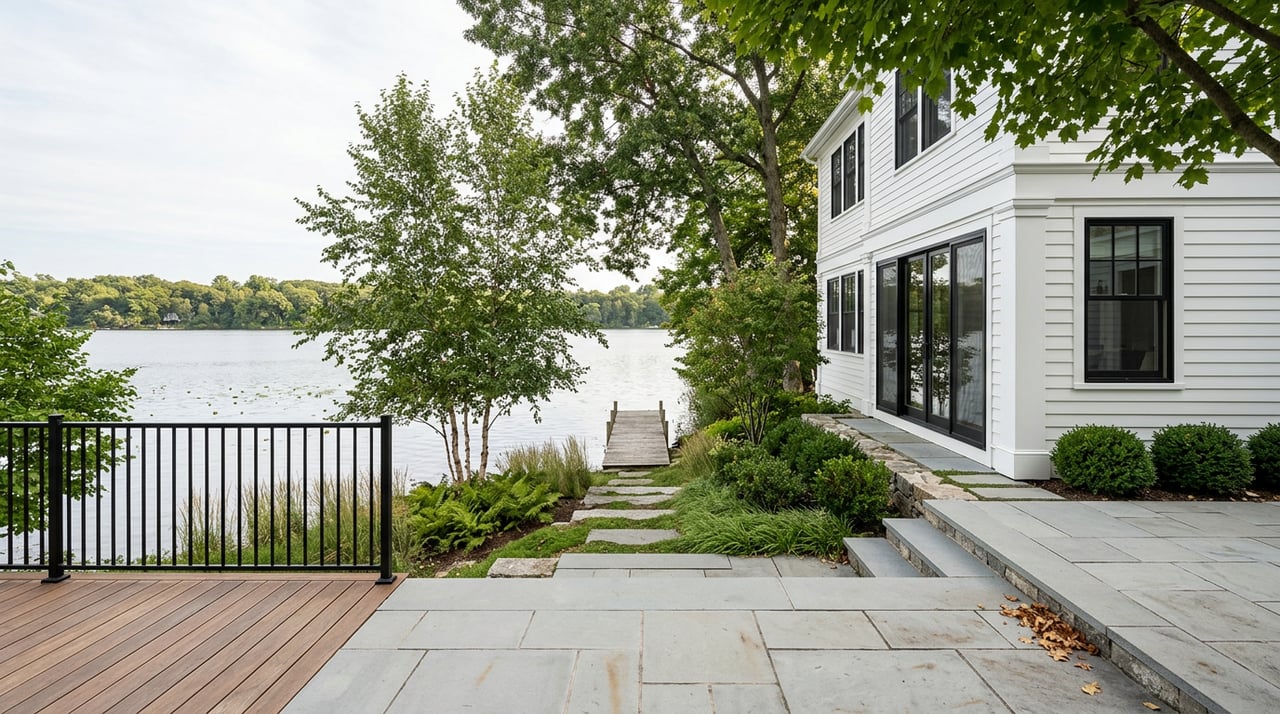
River or ridge? In Beacon, your morning view can be sailboats on the Hudson or sunrise over Mount Beacon. If you are deciding between the walkable riverfront and the quieter hillside blocks, you are not alone. Each area offers a distinct pace, set of views, and daily routine. In this guide, you will compare the trade-offs clearly so you can choose the spot that fits your life, commute, and budget. Let’s dive in.
Beacon in brief
Beacon sits on the east bank of the Hudson River in southern Dutchess County. It is known for a creative energy, small-city scale, and easy access to the outdoors. Dia:Beacon, the region’s major contemporary art museum, anchors the riverfront and sits a short walk from the Metro-North station, with typical travel estimates of about 80 to 90 minutes to Grand Central on the Hudson Line according to museum materials (Dia:Beacon location and access). This combination makes Beacon popular with day-trippers and commuters.
Views and vibe
Waterfront and Main Street
Along the riverfront and Main Street, you get open Hudson River views and dramatic sightlines to the Hudson Highlands across the water. Public spaces like Long Dock Park and Denning’s Point frame the scenery and offer easy viewing spots. The visual character feels active and cultural, with galleries, restaurants, and weekend visitors nearby.
Hillside and inland
Inland neighborhoods climb toward Mount Beacon and the Fishkill Ridge. Many homes sit among mature trees, and some enjoy elevated vistas toward the mountain and valley. The feel is more residential, with a steady rhythm of single-family homes and quieter side streets.
Walkability and transit
Waterfront convenience
Main Street and the riverfront rate very high on Walk Score, with many downtown addresses scoring in the Walker’s Paradise range. You can often walk to the train, restaurants, cafes, galleries, and riverfront parks in minutes. If you want to run most errands on foot, this corridor is a strong match (Beacon Walk Score overview).
Hillside trade-offs
Inland walkability varies block by block and depends on slope. Some hillside streets remain very walkable to Main Street, while others are more car dependent. Expect a longer last-mile to the train and plan for an uphill return if you trek home from dinner.
Commuting context
Beacon’s Metro-North station provides direct service to New York City. Museum and transit references commonly cite an 80 to 90 minute train ride to Grand Central, depending on local vs. express service (Dia:Beacon access details). If you plan to commute, test a run at your usual time to confirm the exact door-to-door.
Housing and architecture
Waterfront and Main Street options
You will find a mix of uses near the riverfront and station. The area includes adaptive reuse projects, condos, some rentals, and converted industrial buildings like Dia:Beacon’s former Nabisco factory. Recent infill has focused near the station, drawing buyers who want a loft-like feel, quick train access, and lower-maintenance living.
Hillside and inland options
Most inland blocks feature single-family homes, many with historic character and traditional neighborhood patterns. You will also see pockets of new infill among older houses. If you want a yard, a porch, and a classic residential street, this is where you will spend most of your touring time.
Price patterns and context
Market snapshots for Beacon vary by data source, timing, and whether you look at list prices or closed sales. You will see a broad range, with smaller homes and some downtown condos at lower entry points and renovated single-family homes or properties with standout views commanding premiums. For a clear picture, compare similar property types in the same micro-area and use multiple recent comps.
Parks and outdoors
Riverfront parks
Long Dock Park is a signature riverfront space with boardwalks, kayak access, and big-sky Hudson views (Long Dock Park overview). Denning’s Point adds looping trails and a natural peninsula that frames the river and highland scenery (Denning’s Point landscape profile). If you live near Main Street, these parks feel like an extension of your backyard.
Hillside trails
Hillside residents gravitate toward Mount Beacon and Fishkill Ridge for steeper hikes, overlooks, and longer trail days. These preserves give inland neighborhoods a four-season outdoor routine without a long drive. If you want a quick after-work climb, the trailheads are close.
Flood risk and elevation
Flood risk along the Hudson shoreline is a location-specific factor to evaluate. Coverage of Beacon’s riverfront landscapes highlights climate-adaptive design at Dia and Long Dock Park, reflecting the realities of building near the river in an era of stronger storms (Architectural Digest on landscape resilience). Before you commit to a riverfront property, review its FEMA flood-zone status, elevation certificates, and insurance estimates. The FEMA Flood Map Service Center is the official source for address-level maps (FEMA Flood Map Service Center).
Everyday trade-offs to consider
- Crowds and events. Main Street and the waterfront draw visitors on weekends and during festivals. You will enjoy lively sidewalks, but you may also encounter busier parking and more foot traffic at peak times.
- Parking and driving. Downtown living can support a no-car or one-car lifestyle for many errands. Inland, you will likely rely on a car for groceries and steeper streets; check local rules and municipal lot options on the city site before you buy (City of Beacon information).
- Schools and services. Beacon is served by the Beacon City School District. For programs, school locations, and catchments, confirm details directly with the district’s resources (Beacon City School District overview).
- Property taxes. Dutchess County property taxes are a meaningful carrying cost. Review recent tax bills and consult county-level context to understand effective rates and trends (Dutchess County property tax context).
- Utilities and connectivity. Signal strength and broadband can vary with topography and tree cover. Test your provider options at the address and ask sellers for utility history.
- Winter upkeep. Hillside homes may have steeper driveways and more snow management. Plan for plowing, sanding, and safe access during freeze-thaw cycles.
How to choose your fit
Start with your daily rhythm. If walking to coffee, hopping on the train, and catching sunset at the river are top priorities, the waterfront and Main Street corridor align well. If you want a quieter street, more yard, and a quick jump to trailheads, the hillside may feel right.
Then layer in commute timing, parking preferences, and appetite for maintenance. A condo near the station can simplify travel and upkeep. A single-family home inland offers space and privacy, with more responsibility for systems and snow.
Finally, weigh risk and carrying costs. River access is a huge lifestyle asset. Make sure the flood profile, insurance, and HOA or building policies are clear. Inland, plan for car ownership, driveway care, and older-home updates as part of your budget.
Buyer checklist for tours
- Test your commute at the same time you expect to travel, and compare door-to-door from both a downtown and hillside location.
- Confirm flood exposure before you offer. Review FEMA maps, request elevation certificates, and get a flood-insurance estimate if the property sits within or near a mapped zone.
- Walk your daily routes. Time the stroll to Main Street, the station, parks, and schools. Check how slope changes your comfort level.
- Ask about utilities. Confirm providers, average bills, and whether the home is on public sewer or septic.
- Compare comps by micro-area and property type. A waterfront condo will price differently than a hillside single-family, even at the same square footage.
- Visit at multiple times. Check parking and noise on a weekday morning and a weekend afternoon.
- For older hillside homes, ask for records of roof, foundation, and system updates. For downtown conversions, ask about soundproofing, flood mitigation, building management, and parking arrangements.
The bottom line
You cannot go wrong with either part of Beacon. The riverfront and Main Street deliver walkability, culture, and instant park access. The hillside offers privacy, elevated views, and a traditional neighborhood feel. When you align the location to your commute, lifestyle, and risk comfort, the decision becomes clear.
If you want a local guide to compare blocks, review comps, and negotiate the right fit, reach out to the Carol Mahoney Team Inc. We will help you tour smart, check the details, and move with confidence.
FAQs
How long is the Beacon-to-NYC train commute?
- Typical references cite about 80 to 90 minutes to Grand Central on the Metro-North Hudson Line, depending on service and schedule. Always test your preferred train time.
What flood risks should I consider for Beacon riverfront homes?
- Check FEMA flood maps for the exact address and request elevation certificates and insurance quotes. Some shoreline parcels face higher exposure, so verify costs before you offer.
How does walkability differ between Main Street and the hillside?
- Downtown scores very high on Walk Score and puts you near shops, dining, parks, and the train. Inland blocks vary by slope and distance, so walk the route you would use daily.
What parks are near Beacon’s waterfront and hillside areas?
- The waterfront features Long Dock Park and Denning’s Point with boardwalks, trails, and river views. Inland, you are close to Mount Beacon and Fishkill Ridge trail systems.
How do property taxes affect my monthly budget in Dutchess County?
- Property taxes are a significant part of carrying costs. Review the current tax bill for any home you consider and factor the amount into your monthly payment planning.
Which schools serve Beacon homes?
- Homes in the city are served by the Beacon City School District. Verify current school locations, programs, and boundaries directly with the district before you decide.